

System Development
We build the control systems, sensor networks and dashboards that keep an operation running. Each one is written for your equipment.
Systems Built Around How You Actually Work
We start on your site. Before anything gets designed we spend time with the machinery, the conditions it runs in, and the people who operate it. What we learn there shapes the control logic and the interfaces.
That matters more than it sounds. A system drawn up from a specification alone tends to get worked around within a month. One built from watching the actual job usually gets used.
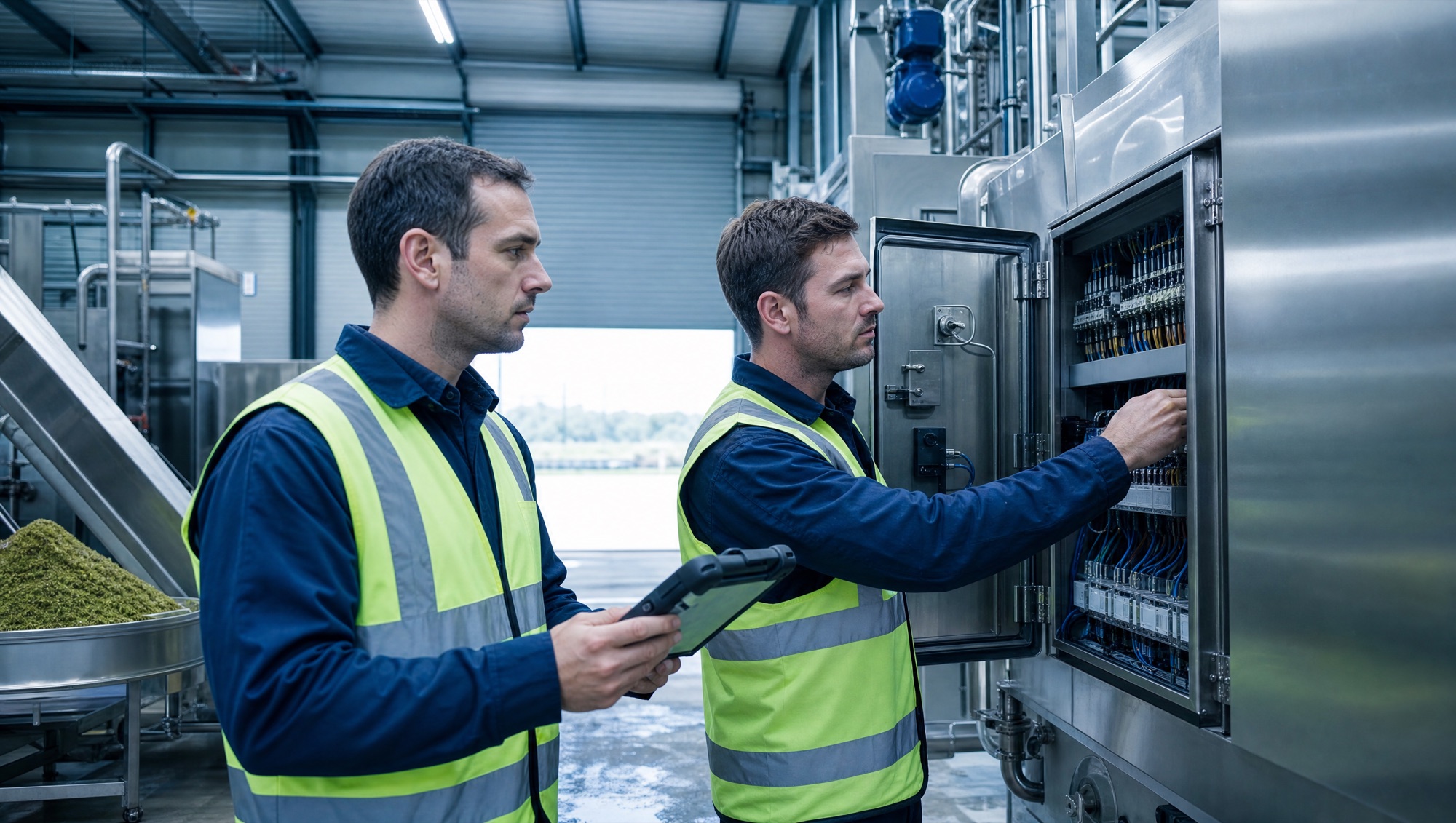
Embedded & Control Systems
Sensor Networks & Telemetry
Data Platforms & Dashboards
Integration & Automation
What We Build
Three kinds of system. We hand them over commissioned and working.
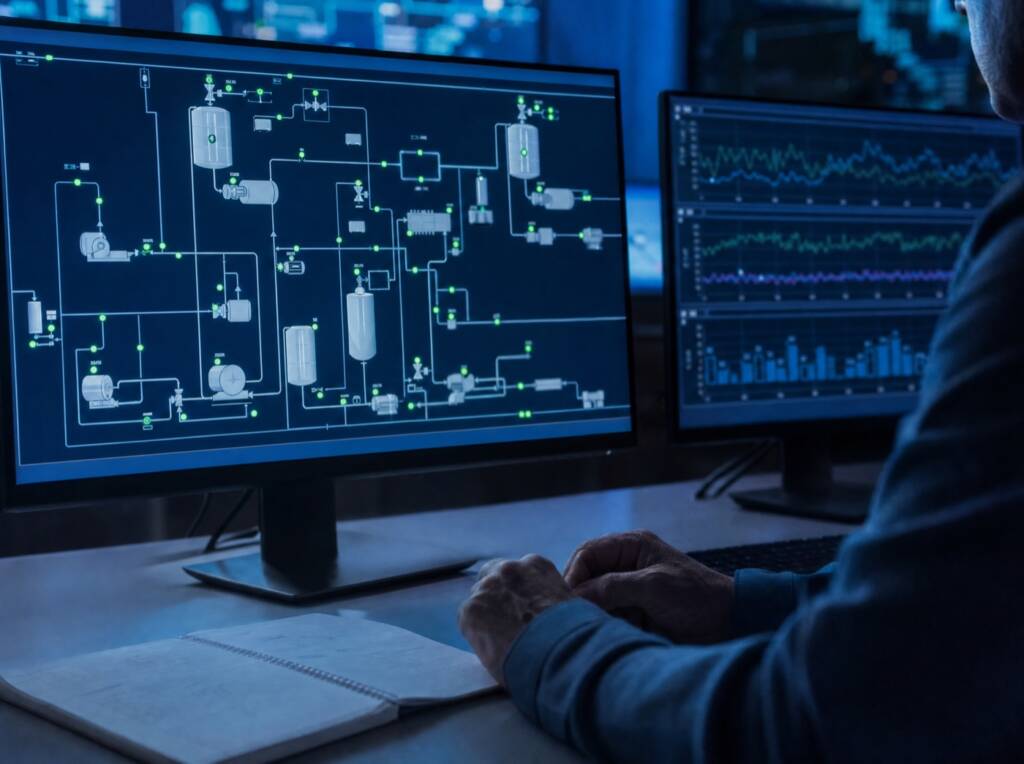
Monitoring & Control Platforms
Machinery, pumps, drives and environmental readings on one screen. The controls your operators need sit where they can reach them safely.
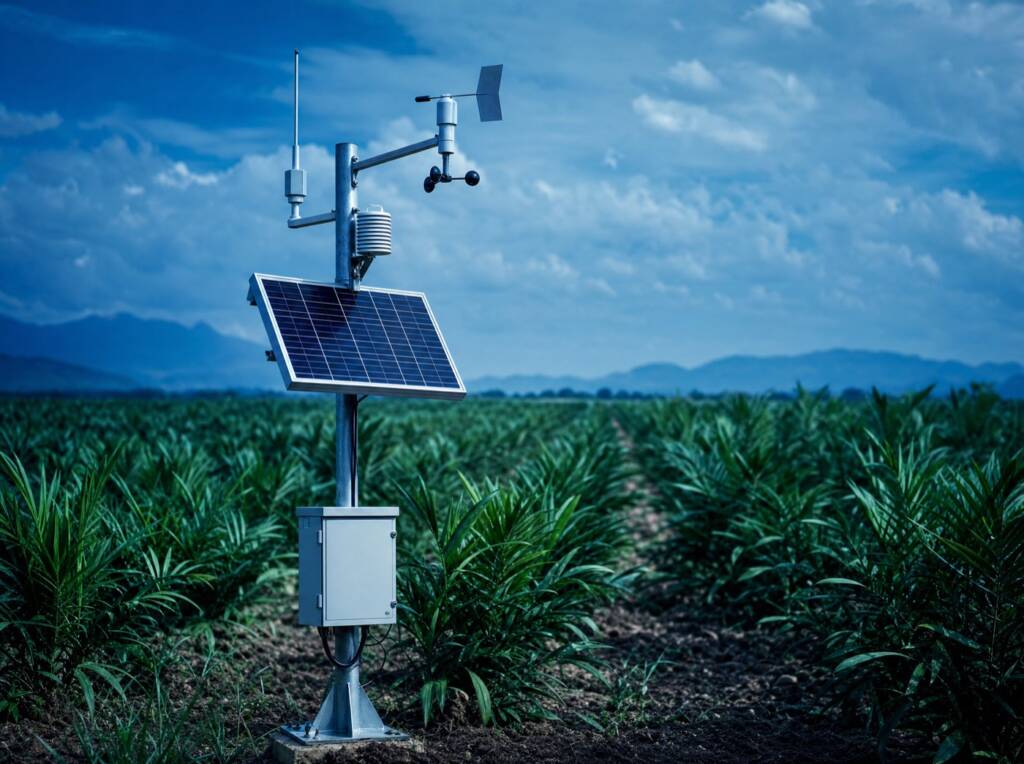
Field Data & Telemetry Systems
Soil and weather stations, tank and flow monitoring, equipment position and use. Everything buffers locally, so a dropped link costs you nothing.
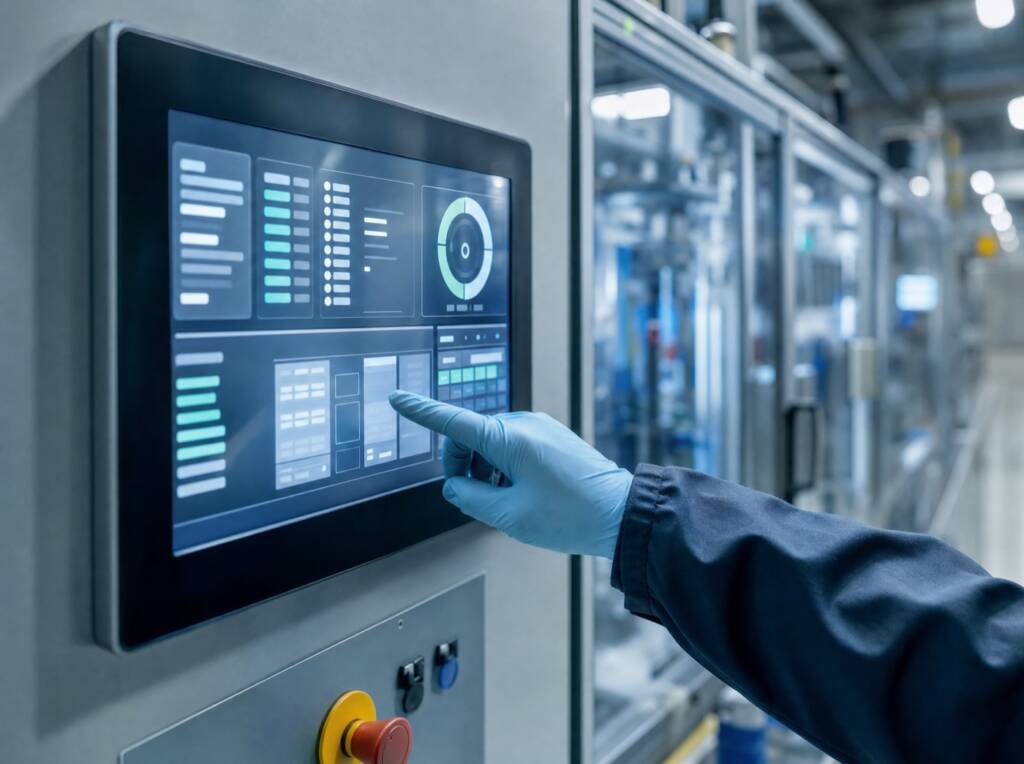
Automation & Machine Interfaces
Scheduling, sequencing and interlocks that take the repetitive decisions off your team. The operator interface keeps every one of them visible, and reversible.
Our Works
Three systems we built and still run. Different crops, different customers, and three problems that needed very different answers.
SemaiSens
Our Solution
SemaiSens turns a satellite pass into something a grower can act on and defend afterwards. Sentinel-2 and Landsat ingest automatically from the day a boundary is drawn, and every alert carries the evidence that produced it.
The crop models took the longest. Rice, oil palm, rubber and pineapple each move through a season differently, and a tool that ignores that will send people out to inspect healthy blocks until they stop trusting it. Rubber was the clearest case. It drops its leaves once a year, so ours stays quiet through those weeks instead of raising an alarm.
Read more on the SemaiSens page, or visit semaisens.ai.
Pintar4U
Our Solution
Pintar4U runs a paddy operation from one place. The map side layers vegetation indices such as NDVI and MCARI over field boundaries, tracks predicted yield and expected revenue against the season, and keeps geotagged inspection photos beside the block they came from.
Underneath sits the less glamorous half: farming records, inspections, harvest, sales, inventory and labour. Keeping both halves in one system is what makes a yield figure worth anything, because it can be reconciled against what was actually harvested and sold.
Visit pintar4u.com.
SWMP (Horticulture)
Our Solution
SWMP monitors protected horticulture at a research centre in Serdang. Fertigation is the centre of it. Water level, pH and EC on the mixing tank are read continuously rather than spot-checked by hand, which is the difference between catching a drift and finding out from the crop.
Around that sits the growing environment. Temperature and humidity are logged at three canopy heights alongside light and CO2, so a reading can be tied to where in the house it was taken. Soil sensors, flow rates and valve states fill in the rest, and all of it writes to a report and an audit log.
How We Work
Four stages. You see something working before the whole system is committed, and you can stop or change direction at the end of any of them.
01
Discover
We walk the site, go through your existing equipment and records, and agree what the system has to prove before anyone writes code.
02
Design
Architecture, data model and interface concepts. We write them plainly, because your team should be able to argue with them.
03
Build
Development, bench testing, then staged integration against your actual equipment.
04
Sustain
Commissioning on site and handover to your operators. We stay on for support as conditions change.
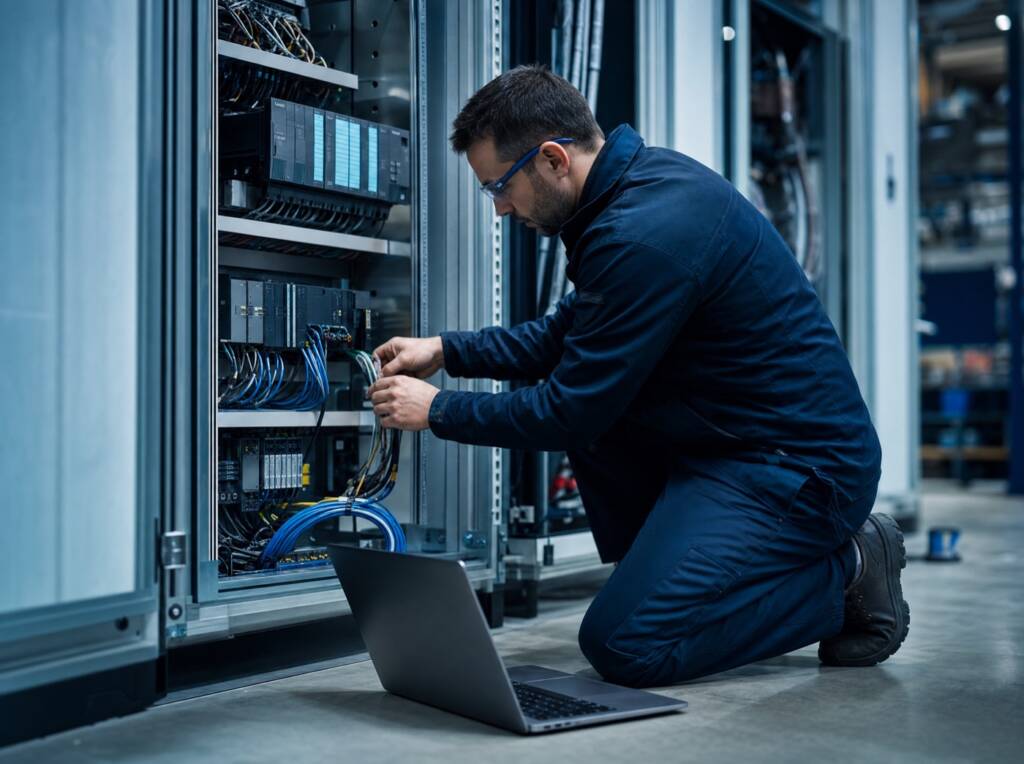
Built to Fit What You Already Run
Most of our work joins an operation that is already running. Those constraints are useful once you know them. Projects go wrong when they turn up late.
- Interfaces to your existing controllers, drives and instrumentation
- Connections into the records and reporting you already keep
- Operation through intermittent connectivity, with local buffering
- Bilingual operator interfaces where the floor needs them
- Documented handover, so running it does not depend on us
Have a System in Mind?
Tell us what the operation needs to do differently. We will tell you what it takes to build, and whether it is worth building.
 EN
EN  BM
BM